Antennas
Broadband antennas — 300 MHz to 40 GHz. UWB Vivaldi, TSA, log-periodic, dipole, and specialty designs for SIGINT, EMC, GPR, satellite, drone, and SDR work.
Ultra-Wideband Vivaldi
Aluminum Vivaldi designs — flatter and higher gain than comparable log-periodics. The flagship UWB series for spectrum analysis, SIGINT, drone communications, and pulse-radar applications.
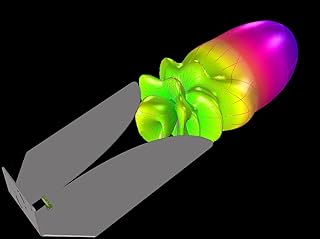
UWB-1
Aluminum UWB Vivaldi — wide coverage, mid-power handling.
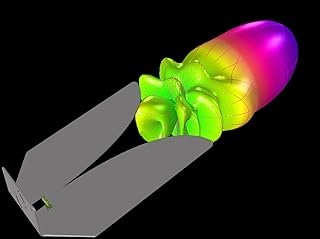
UWB-2
Compact aluminum Vivaldi for portable spectrum work.
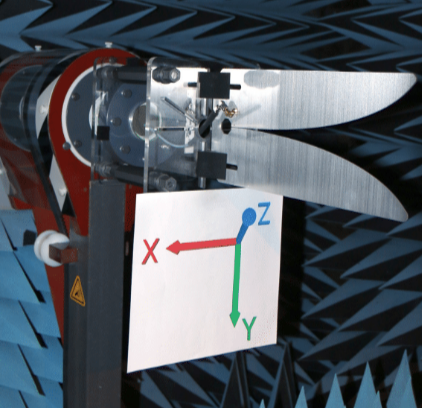
UWB-3
Extended-range aluminum Vivaldi reaching well into Ku-band.
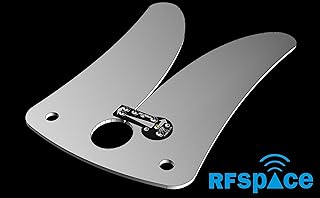
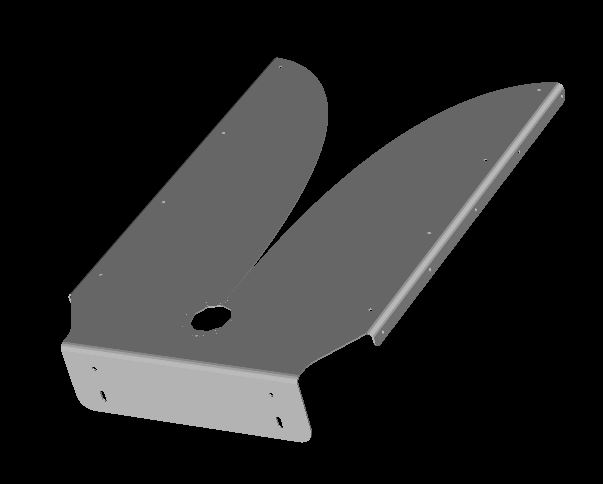
UWB-5
Lowest-frequency UWB Vivaldi in the lineup. Coming soon.
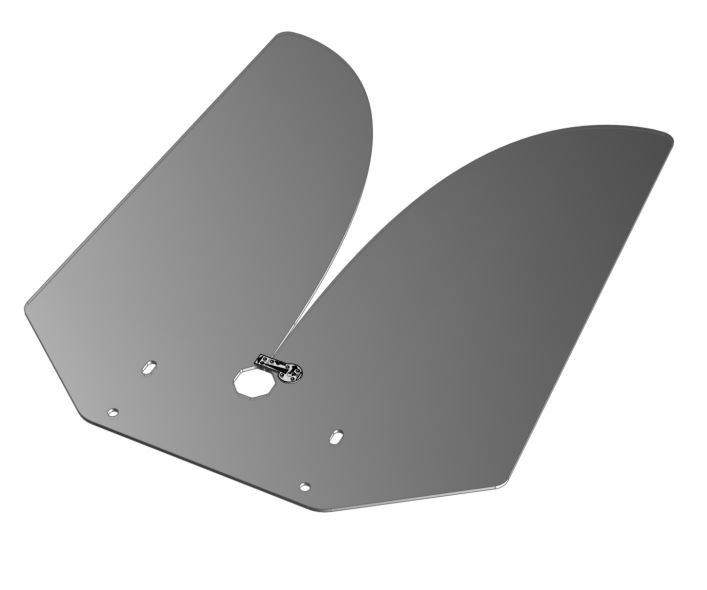
UWB-8
UWB-1 derivative tuned for higher-power transmit work.
PCB Vivaldi
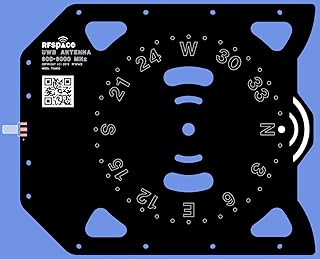
Printed-circuit Vivaldi designs — lighter, lower cost, ideal for embedded SDR builds, drone payloads, and spectrum-analyzer accessories. Same broadband response as the aluminum UWB family, with the Vivaldi-X reaching well into K-band.
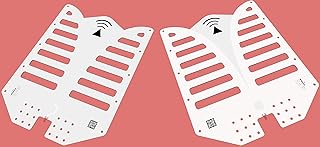
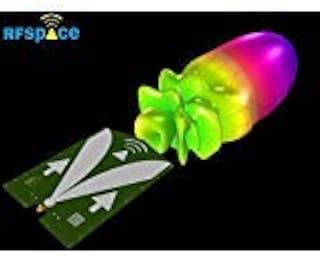
TSA600
Most popular TSA — UHF through C-band PCB Vivaldi.
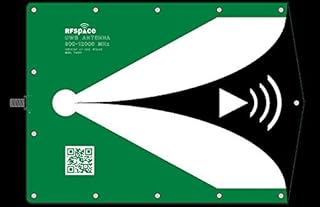
TSA900
Widest-range TSA — through Ku-band, RADAR/SIGINT favorite.
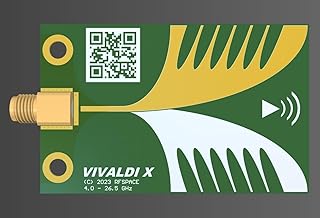
Vivaldi-X
mm-wave PCB Vivaldi — C through K-band continuous coverage.
LPDA
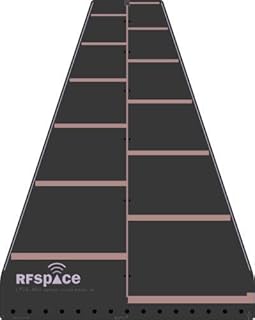
Classic log-periodic geometry — flat gain across decades of frequency, ideal for EMC pre-compliance, radio astronomy, and broadband direction finding.
LPDA-MAX
Large LPDA for low-VHF through UHF — VHF-TV, ham, public safety.
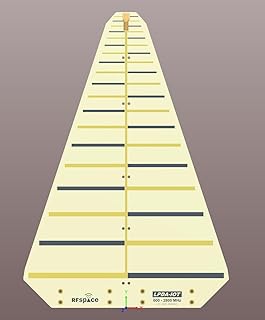
LPDA-IOT
Compact LPDA for cellular, LoRa, ISM, and consumer-IOT band testing.
Dipole
Simple, broadband dipoles for benchtop work, dongle SDRs, and ISM-band experiments.

DIP700
Wideband dipole for cellular, WiFi, and SDR exploration.
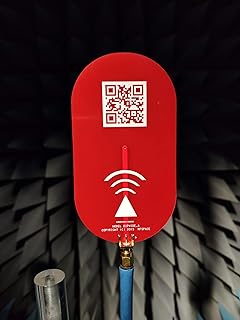
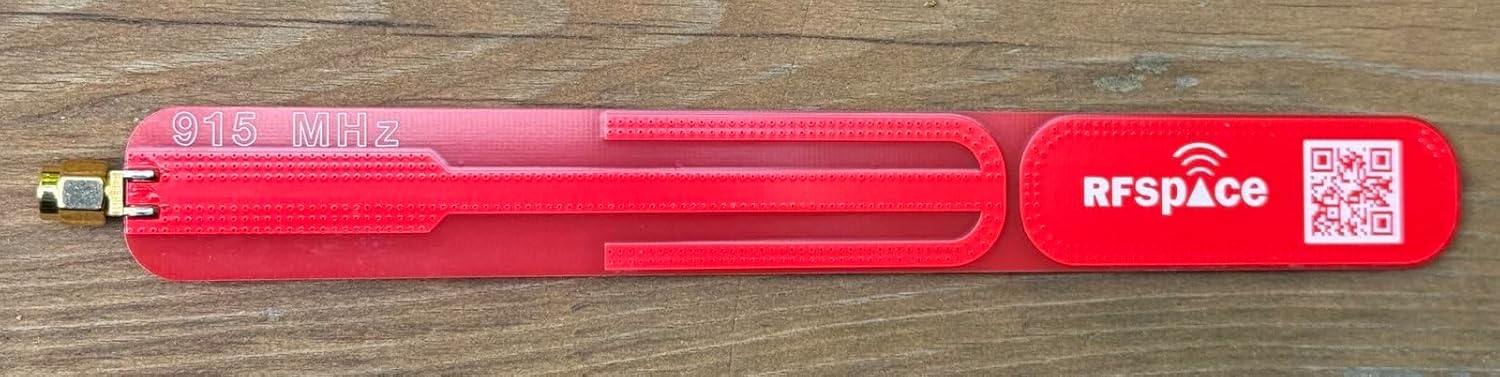
DIP915RED
Ground-insensitive ISM-band dipole for LoRa, mesh, and short-range telemetry.
Specialty
Application-specific designs — NTN patch antenna, Butler beamforming network, and Ka-band standard-gain horn.
NTN2050
Non-Terrestrial-Network patch antenna — cellular satellite-direct (Starlink D2C, AST SpaceMobile, Apple satellite).
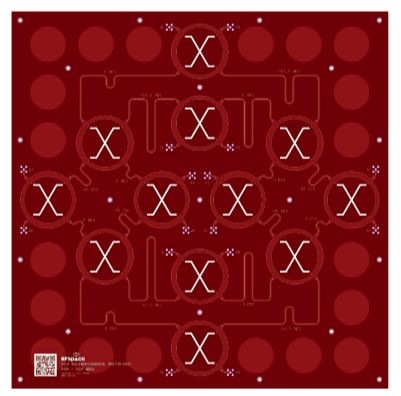
BF915
Butler 8×8 beamforming network — generates 8 beams from 8 ½-λ-spaced antennas. DOA, MIMO, smart-antenna research.
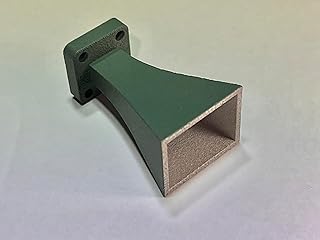
RF28SGH
Standard-gain horn — Ka-band reference antenna for mm-wave gain measurements and EMC.